Meditation. The notion of being able to settle down, quiet one’s mind and chant a mantra until reaching a state of peaceful bliss sounds wonderful.
Mid-sixties psychedelic music espoused the LSD-drenched philosophies of Dr. Timothy Leary. Leary, a former Harvard psychologist, took his studies on therapeutic use of psilocybin and lysergic acid diethylamide a bit too far by partaking in these drugs with his test subjects. After his dismissal from the university, Leary became a vocal proponent of psychedelic drug use, coining the famous phrase encouraging young people to “turn on, tune in, and drop out.”
The Beatles were among the first pop bands to spread the message. In 1966, they closed their classic album Revolver with the song “Tomorrow Never Knows”, a droning track propelled by tape loops, backwards guitars, and otherworldly effects aplenty.
John Lennon wrote the song after reading Leary’s The Psychedelic Experience: A Manual Based on the Tibetan Book of the Dead. Indeed, Lennon lifted lyrics directly from Leary:
Turn off your mind, relax and float downstream… lay down all thought, surrender to the void… that you may see the meaning of within…
This is the goal of meditation as defined by the counterculture of the sixties: to obtain a state of being that transcends all physical reality, all thought, beyond human consciousness. This is the definition of meditation that has stuck in the minds of people ever since.
Let me state right here and now that I am a firm believer in meditation. Just not this imitation of peace seeking.
True meditation.
1 Blessed is the man
who walks not in the counsel of the wicked,
nor stands in the way of sinners,
nor sits in the seat of scoffers;
2 but his delight is in the law of the Lord,
and on his law he meditates day and night.
3 He is like a tree
planted by streams of water
that yields its fruit in its season,
and its leaf does not wither.
In all that he does, he prospers.
4 The wicked are not so,
but are like chaff that the wind drives away.
Psalm 1:1-4 (ESV)
The Hebrew word translated as meditates (הָגָה hâgâh) implies pondering. Thoughtfully mulling over. Considering. In other words, meditation is actually thinking deeply about the Lord, and His will, and His ways.
No floating thoughtlessly down a stream of unconsciousness.
No mindless surrender to “the void”. There is no void. When God first created the earth, it was “without form and void” (Genesis 1:2). In other words, it was empty. Not as a permanent state of existence, but as a starting point, a blank canvas to begin filling with God’s wondrous creation.
18 For thus says the Lord,
who created the heavens
(he is God!),
who formed the earth and made it
(he established it;
he did not create it empty,
he formed it to be inhabited!):
“I am the Lord, and there is no other.
19 I did not speak in secret,
in a land of darkness;
I did not say to the offspring of Jacob,
‘Seek me in vain.’
I the Lord speak the truth;
I declare what is right. – Isaiah 45:18-19 (ESV)
There are plenty of fearsome things going on to cause us to seek peace of mind these days. The world feels like it’s about to spin off its axis. So many troubles and worrisome situations:
Will AI take over the world?
Will the war in Ukraine ever end?
Will the war with Iran ever end?
Will the world’s oil supply run dry?
Will China take over the world?
Will the US economy improve?
Will the political and social divisions ever heal?
Will Islam take over the world?
Will Canada ever love us again?
How high will ocean levels rise when the poles melt?
Can we afford the payments if we buy Greenland?
Will Greenland take over the world?
Should I worry because there were no Atlantic hurricanes this season?
Should I worry about all the earthquakes around the world this year?
What if my party loses in the upcoming midterms?
Will Taylor Swift take over the world?
And on and on etc.
Like it or not, we’re always meditating on something. Maybe it’s bad news. Maybe it’s worries about work or family or health or wealth or the familial splintering in the UK royal family.
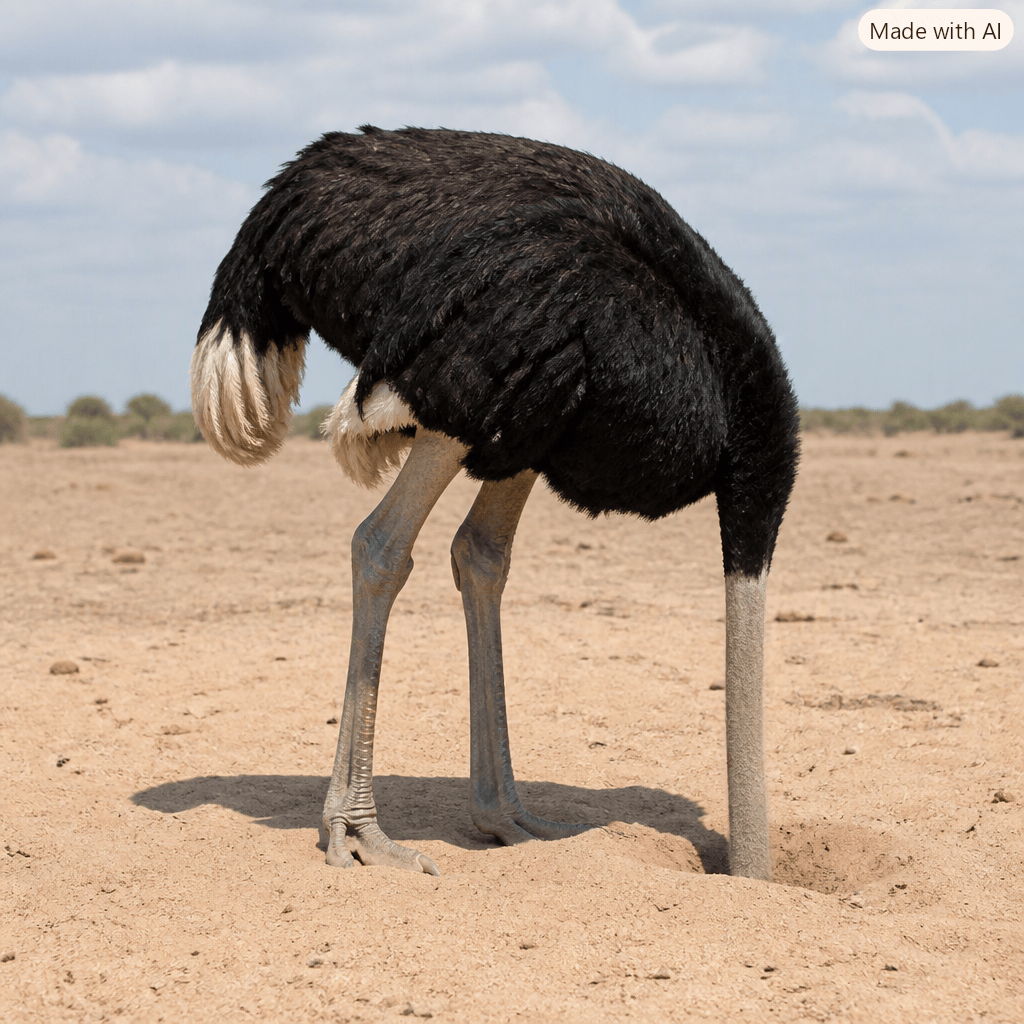
Maybe it’s just inward gazing into the void of our navels.
The truth is we are instructed to meditate. Not just as a means of finding inner peace. That just leads to escapism, a means of hiding from reality.
What we need to do is trust God through all that we face and meditate on His Word, maintaining a constant connection to our Lord (what the apostle Paul called “pray(ing) without ceasing”).
Meditating on God is simply as Jesus instructed:
“Seek first the kingdom of God and his righteousness, and all these things will be added to you” – Matthew 6:33 (ESV)
So, yes, meditate. Not by chanting om until you’re blue in the face. Not through trying to escape into thoughtless void. (If that worked, don’t you Jesus would have been chanting some mantra in the garden of Gethsemane instead of praying to the Father?)
Meditate on the Word of God. Think about Who He is. Ponder His attributes. Understand He is your Father, and you His child. Know the Lord is sovereign over all (yes, even Taylor Swift). Embrace the Truth and, in doing so, see things as God sees them.
4 Rejoice in the Lord always; again I will say, rejoice. 5 Let your reasonableness be known to everyone. The Lord is at hand; 6 do not be anxious about anything, but in everything by prayer and supplication with thanksgiving let your requests be made known to God. 7 And the peace of God, which surpasses all understanding, will guard your hearts and your minds in Christ Jesus.
8 Finally, brothers, whatever is true, whatever is honorable, whatever is just, whatever is pure, whatever is lovely, whatever is commendable, if there is any excellence, if there is anything worthy of praise, think about these things. 9 What you have learned and received and heard and seen in me—practice these things, and the God of peace will be with you. – Philippians 4:4-9 (ESV)
Amen.